

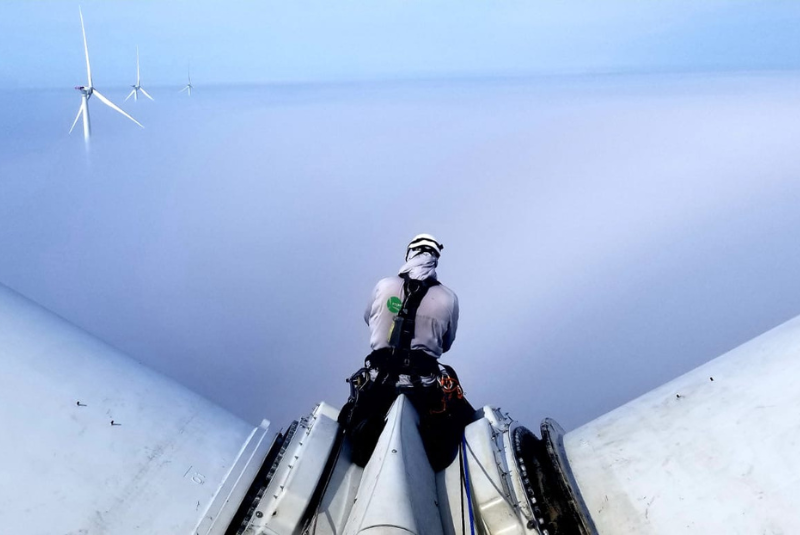
Wind Turbine Operations and Maintenance, Geotechnical, Rigging, and Industrial Rope Access
Most US mainstream wind energy owners/operators and OEM’s
120 technicians
~15,000 items
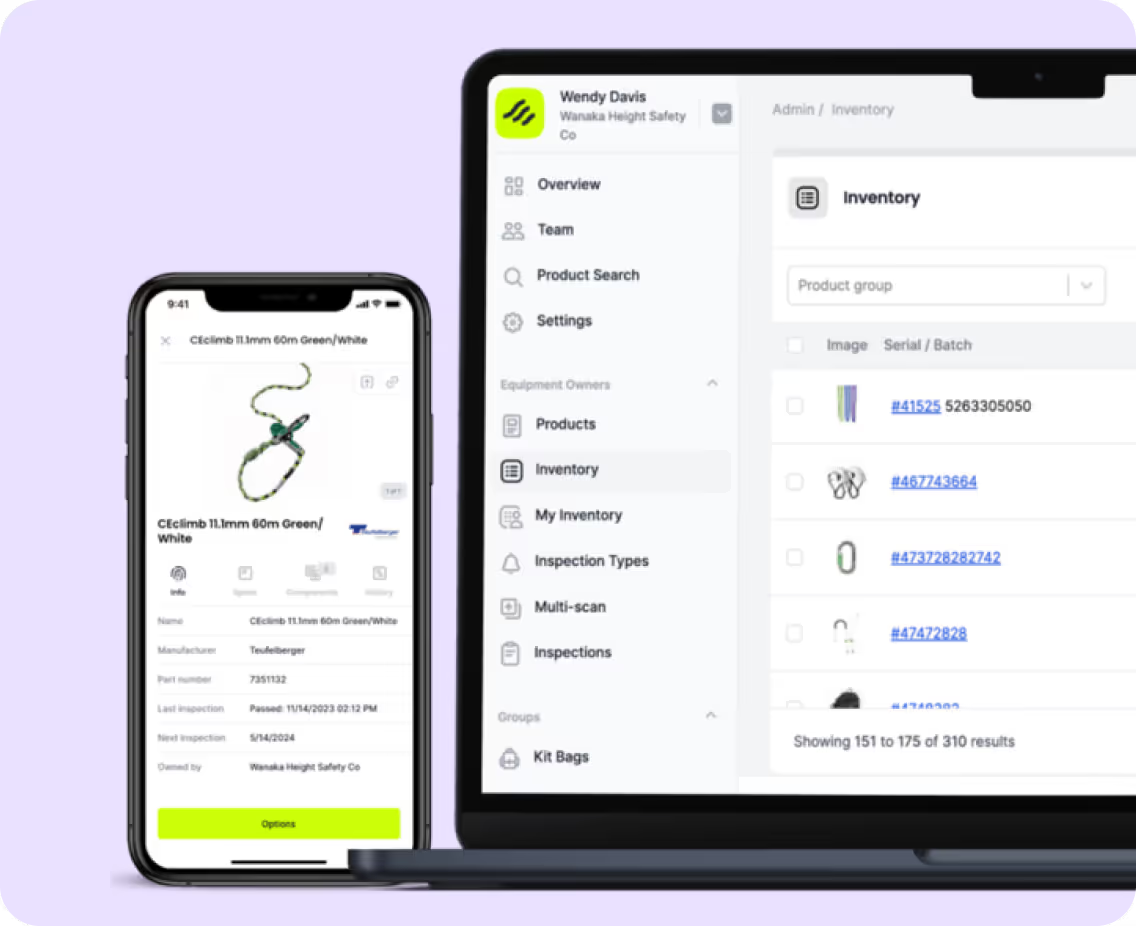
In the last several years Rope Partner nearly doubled in size (field technician numbers, inventory of equipment, number of clients, and SOW) and rapidly outgrew the previous equipment management system. This made it difficult to efficiently keep records of gear inspections and inventory management. The company was using a custom-built platform designed by a former technician and an IT engineering firm to track and manage their extensive inventory of rope access equipment.
The system was proving less and less efficient as the company grew.
It was becoming very costly, and it was not working well with the amount of gear we have. Right before we went with Scannable we got audited by a client, as is standard in our industry. The time spent gathering the information made it obvious we needed to invest in a new system that would allow a detailed inventory of over 10,000 items and could generate historical and technical data for each piece of gear and equipment we use.
~ Gear Manager - Rope Partner
The workflow was labor-intensive: codes were created and then hand-etched or laser-engraved onto carabiners or marked on soft goods, and Excel sheets were sent back and forth to technicians. These documents were then uploaded to the equipment management system.
The difficulty of tracking large numbers of assets was hindering the ability to make informed inventory decisions, create accurate purchasing budgets, and stay up to date with industry standards.
We really wanted to be better.
Rope Partner evaluated multiple alternatives, including manufacturer-led platforms and inspection tools priced per technician. None aligned with the complexity or scale of their operation.
Scannable stood out for three key reasons:
1. Pricing structure that scaled with inventory, not users
2. Flexible user roles allowing any technician to perform inspections
3. Comprehensive manufacturer coverage, not limited to a single brand's products
Scannable covered all the bases—the pricing structure, the number of items we could track, and who could perform what actions with the different user roles.

Our onboarding was awesome thanks to the help that we got from Scannable. Also, onboarding 13,000 units did take time.
The team set up plastic picnic tables like a "little Ford factory operation" and worked through the inventory methodically.
A system was put in place for equipment that was out on jobs during the time the bulk of the equipment was tagged: technicians sent their field kits back during their two-week off rotation. The Gear Department team tags everything, and the kit is returned before they're back on the job.
With just five technicians left to complete and another 24 new hires on the way, Rope Partner has refined the process into a well-oiled machine.
The time investment paid off. Not only did NFC tagging eliminate hand-etching and laser engraving costs, but it also revealed the true scope of their inventory and made tracking and compliance much easier and more accurate.
One of Rope Partner’s favorite aspects of working with Scannable has been the responsiveness of the team.
One thing that I really appreciate is Scannable taking our feedback and reflecting that in the app. That's been pretty impressive and helpful.
Asked what other organizations should know before implementing Scannable, Rope Partner emphasized:
Scannable helped Rope Partner streamline the tracking and inspection auditing process necessary in a fast-growing and evolving industry.
Scannable is the best way to keep track of any items that need calibration or inspection and that are life-sustaining. The support from the Scannable team and compliance with industry regulations—that's what matters.